Former cadre Angela Merkel has expressed in favour of this idea, stressing that until now no woman has held the post of federal president and that the time has come for this to be taken seriously into consideration. In an interview for MagentaTV, she said she knows women capable of exercising the task, but not to mention specific names.
Who chooses the president?

The new president will be elected on January 30th by the Federal Assembly (Budesversammlung), a constitutional body that meets only for the election of president of state. Bundesversamlung consists of all the Bundestag deputies and an equal number of delegates elected by the parliaments of 16 federal lands. These delegates may be politicians but also personalities from other areas of public life, such as culture, sports, or science. The assembly is distributed shortly after the vote is concluded.
Unlike countries like the United States, France or Russia, the German president does not have broad executive competencies and does not govern the government. His role is primarily representative and ceremonial, serving as head of state, symbol of national unity and moral authority of the country.
Steinmeier’s Possible Successors
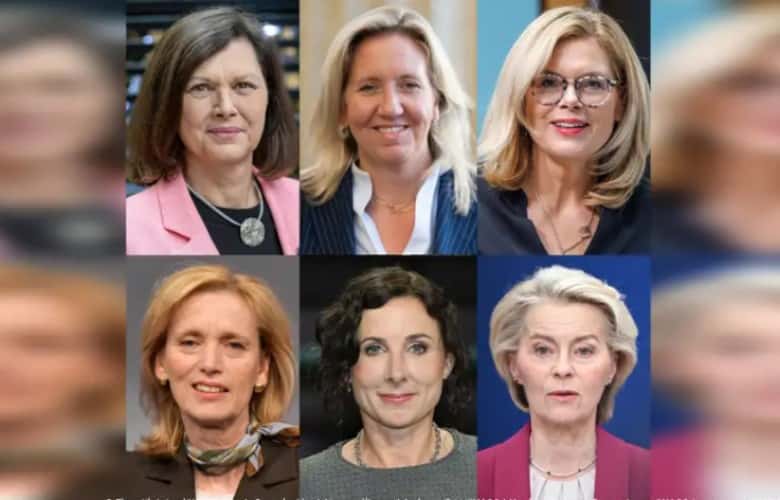
Among the names being named as possible descendants of Steinmeier are Bravaria Parliament Speaker Ilse Aigner, supported by CSU leader Markus Söder, as well as Bundestag Speaker Julia Klöckner, Education Minister Karin Prien and former Defence Minister Annegret Kramp-Carrenbauer, all from the CDU ranks.
This time the most likely proposal for presidential candidate is expected to come from Chancellor Friedrich Merz’s conservative bloc ( CDU/ CSU, the main partner in the ruling coalition with the SDP. Since the CSU, CSU and SPD control most delegates in Bundesversamlung, the candidate who will be supported by these three parties is considered the clear favour to be elected next president of Germany.
Source Layer: RTKLive