

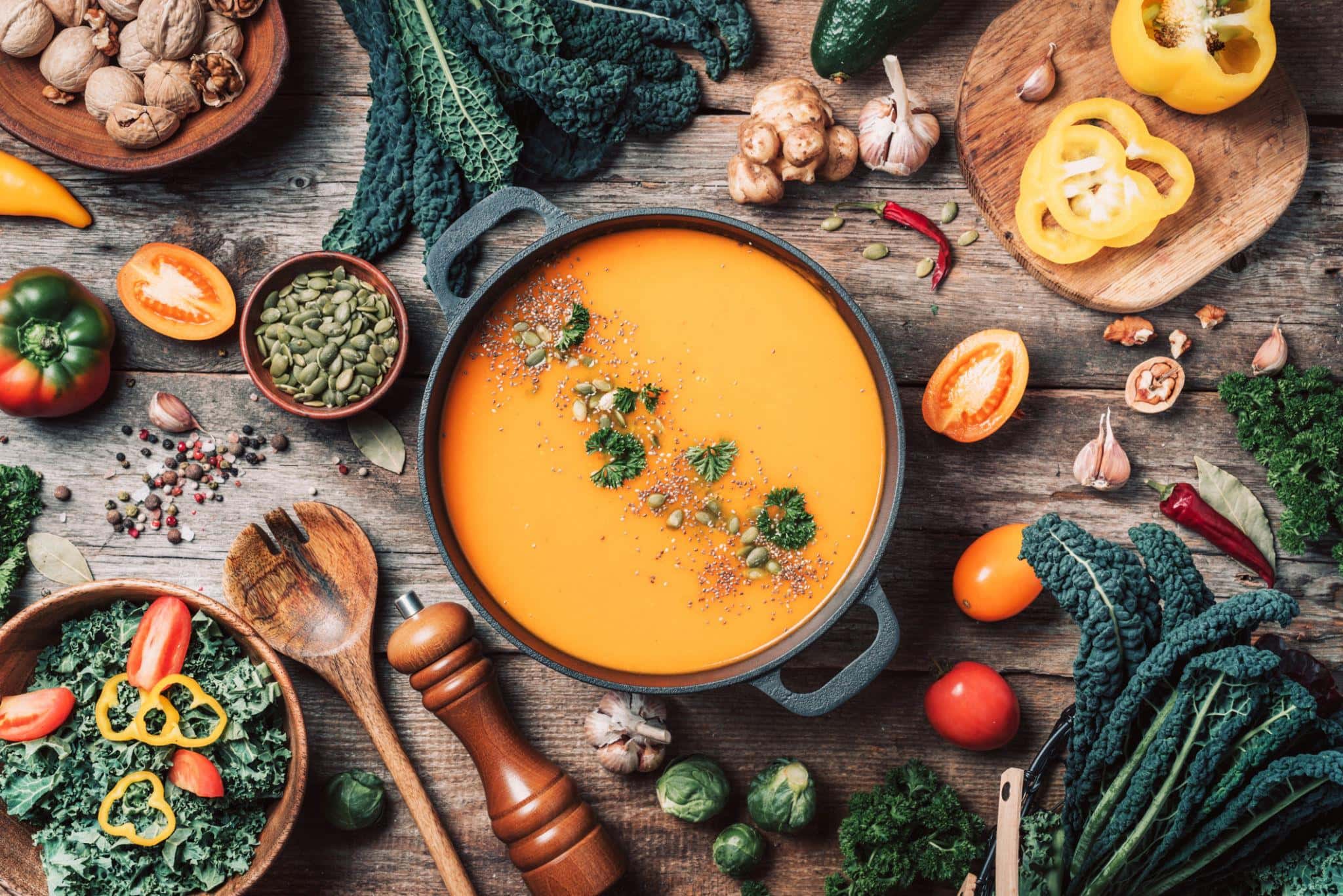
With temperatures down and cutting days, many people also change their diet. During late autumn and winter, warm food, household cooking, and seasonal products become an important part of the family table.
Feeding experts recommend a diverse diet rich in fruits, vegetables, proteins, fibers, and healthy fats, also paying attention to adequate water consumption.

The foods recommended during this period include oranges, Mandarins, kiwis, and pomegranates, which contain vitamin C and antioxidants. These fruits may be part of a diet that supports the normal functioning of the immune system.
On the other hand, vegetables such as brocoli, cabbages, carrots, panjars, and pumpkin offer vitamins, minerals, and important fibers for the organism. They can be consumed fresh, boiled, roasted, or in the form of warm soups.
Winter feeding is an important place in the world, including nuts, almonds, nuts, and seeds. They contain voracious fats, proteins, and minerals, being a good alternative to intervatives.
During the cold months, vegetable soups, legumes, and cereal cooking can be part of a healthy menu. In addition to providing nutrients, they also help to obtain liquids during the day.
Beans, lentils, and hair are good sources of plant proteins and fibers. They can be combined with different vegetables to create whole meals and nutrients. Likewise, fish, eggs, yogurt, and other milk products can satisfy daily needs for proteins and important nutrients.
One of the common mistakes during the cold season is lower water consumption. While a sense of thirst may be less intense than during the summer, hydration remains important to the normal functioning of the organism. Sugarless teas, soups, and water can help fill the daily supply of fluid needs.
Feeding should also be accompanied by regular physical activity, adequate sleep, and a stable routine of living.
In the end, seasonal feeding does not necessarily mean major changes in diet, but more careful selection of the products the season offers. A diverse table of fruits, vegetables, proteins, and fresh foods remains one of the best ways to care for health during the cold months.
Source Layer: Dukeagini