

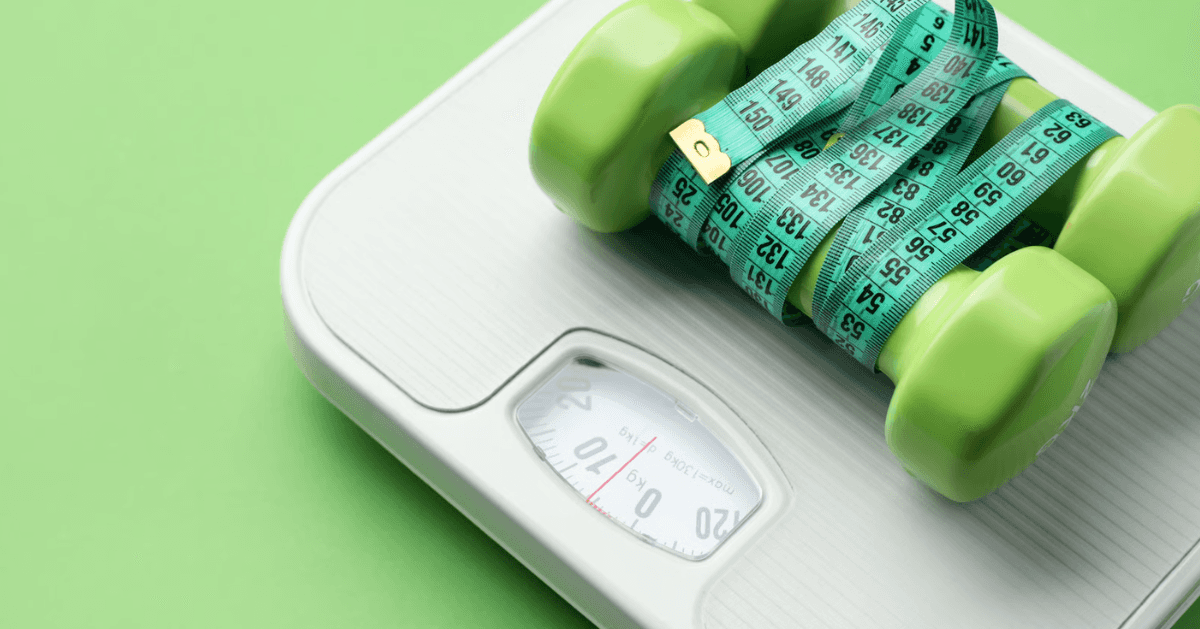
The ideal weight is not determined solely by height and age, since other factors, such as gender, muscle and bone mass, body fat percent, genetics, physical activity, and general health.
There is not a single formula that can determine the ideal weight for each person. Two individuals of the same height and age may have different weights and may both be in good health.

One of the most used ways to assess whether the weight is within the healthy interval is the Body Mass Index ( BMI, which is estimated to divide weight into pounds by the square length of a meter.
According to adult ratings, BMI is divided into these categories:
Under 18.5 belowweight;
18.54.9 normal weight;
25,29.9 pounds;
30’34.9 ‘ first-class obesity;
35 39.9 ) second grade obesity;
Forty or more third grade obesity.
However, BMI is not fully measured by each individual, since it does not distinguish muscle mass from body fat. For example, those who regularly engage in sports and have developed muscles may be classified as overweight, even though they have healthy bodily compounds.
Does age affect the ideal weight?
In adults, age is not considered a major factor in determining healthy weight. More important are height, body composition, and health.
Meanwhile, in children and teenagers between the ages of 2 and 19, BMI is valued on the basis of age and gender, comparing itself with adult graphs.
High – length ratio
Another indicator that helps assess health risks is the ratio of waist perimeter by length. To calculate, the waist’s perimeter is divided by length, using the same measure.
It is generally recommended that the waist perimeter be less than half long. This measurement is important, since collecting fat around the abdomen is linked to higher risk of type 2 diabetes, heart disease, and circulation problems.
Eyeball report
The ratio of waist perimeter to hips is another way to assess body fat distribution. A higher report may be linked to greater risk for metabolic and cardiovascular problems.
As an orientation value, the recommended ratio is below 0.95 for males and below 0.85 for women.
In order to better understand body composition, the body’s fat content can be measured. This can be done through electronic biomedance scales, skin sides measurement, DEXA scan, or other professional methods.
These measurements provide more information than just weight, helping to distinguish fat from muscle mass.
The signal where the truth speaks before the news!
Source Layer: Signal