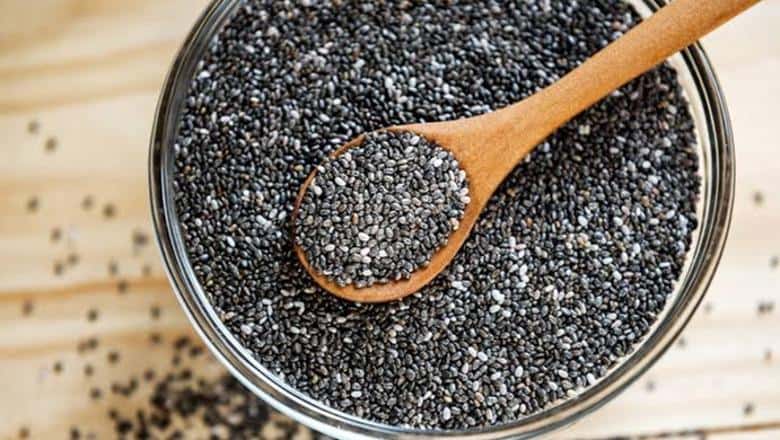
Chia seeds are known for their high nutrition value and have become part of the diet of many people worldwide. Rich in fiber, omega-3 fatty acids and minerals, they are considered a useful food for the organism. However, consumption is not appropriate for all, especially for those with certain health problems.
Regardless of the benefits, chia seeds can cause unwanted effects if consumed in large amounts or improperly. For this reason, certain categories of people need to exercise special care before they involve themselves in their daily diet.

Intestine Problems
For people with digestive problems, chia seeds can initially cause trouble rather than bring the expected benefits.
When exposed to water, they are swollen and can absorb up to several times their weight in the liquid. This can cause gas, absorption, and cramps, especially among people with sensitive digestive systems.
It is recommended that consumption begin with small amounts to observe the body’s response. People suffering from irritated bowel syndrome ( The IBS) or other problems of the digestive tract should set aside seeds before consumption and ensure that sufficient amounts of water can be obtained during the day.
People With Low Blood Pressure
Chia seeds contain alfa-linenic acid and potassium, components that are related to cardiovascular health benefits and blood pressure regulation.
However, those with low blood pressure must be careful, especially if they use drugs that reduce blood pressure.
In certain cases, further reductions in tension can be accompanied by vertigo, fatigue, and faintness.
People using blood – thining drugs
People who take an anticoagulans, such as poverty, or use aspirin, should consult a physician before regularly consuming large amounts of chia seeds.
They contain fatty omega-3 acids, which can affect the function of blood clots and clots. For this reason, excessive consumption can be a source of concern to those who use anticoagulous or anti -ggragers.
Care is especially important for those who have increased risk of bloodshed or who take certain medications at the same time.
Seed Allergies
Although chia seed allergies are rare, it may appear in some people.
People allergic to sesame, lyre seeds, or mustard seeds should be careful, for in rare cases there may be cross – related reactions.
Warning signs may include rashes, rashes, swelling, and, in more serious cases, breathing difficulties.
If such symptoms arise after consumption, medical attention should be sought. The difficulty in breathing or swelling the tongue and throat requires urgent help.
Kidney Diseases
Another category that needs to be taken care of are people who suffer from kidney disease.
Chia seeds contain potassium and phosphorus, minerals that can be collected in blood when kidneys fail to function properly.
Collecting them can cause health complications, especially on persons with damaged kidney function.
For this reason, such ones should consult the doctor or dietologist before tʹa involves chia seeds in their daily diet.
Consumer Measure Matters
Chia seeds may be part of healthy nutrition, but it is important that they be consumed properly and properly prepared.
They should be liquefy before consumption, while people with health problems or using certain drugs should receive professional advice before regular use.
The nutrients of the chia seeds are numerous, but their benefits also depend on their personal health and needs.
The signal where the truth speaks before the news!
Source Layer: Signal


