
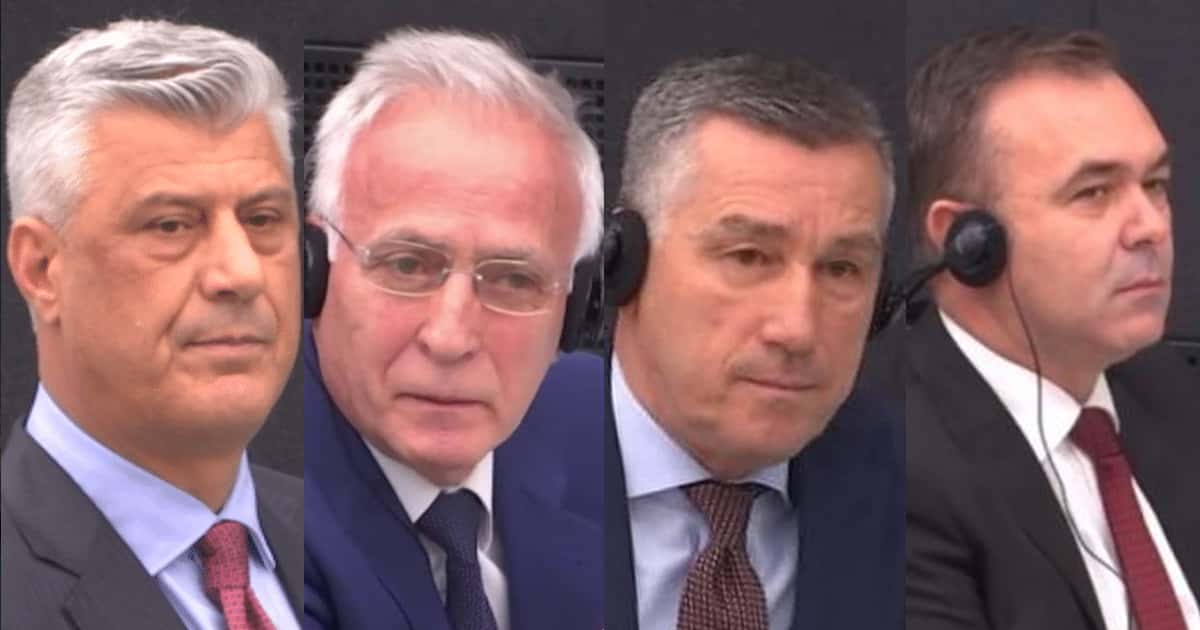
The inclusion of states to support citizens or their former officials during international criminal processes is considered known practice, but international justice experts make a clear line between legal assistance and efforts for political influence in the trial.
International Law Professor at London’s Midlesex University William Schabas estimates that Kosovo institutions can offer financial contributions to ensure quality protection, but cautions that involvement through lobby or campaigns is not acceptable.

If the Kosovo government wants to contribute financially to help the defendants engage their legal teams, that would not be unusual. But if you aim at other forms of involvement, such as campaign or lobby, I don’t think that would be acceptable, Schabas has declared the Expose Radio Free Europe programme.
Financial support serves defence teams to engage experts, analyse evidence and prepare arguments for appeals, but in no circumstances does it give the state the right to dictate defence strategy or try to influence judges.
Carsten Stahn, professor of International Criminal Law at Leiden University in Holland, says the same line. According to him, the practice of earlier international judgments has proved that the influence of states on the epilogue of judicial processes is extremely limited, since it weighs only legal arguments in court.
Because either you have strong legal arguments that protection can present to the court or you don’t. And if you don’t, the fact that a state supports you doesn’t mean that the court will necessarily change its reasoning or judicial position, points out Stahn for Expose.
He adds that preserving the independence of lawyers in representing their clients is vital and that the state dares not interfere with building the defence line.
The state cannot exert political pressure on defence, while detecting how to build legal arguments. Because the lawyer’s obligation is to their clients and this cannot be influenced by the state, he concludes.
The signal where the truth speaks before the news!
Source Layer: Signal