
The European Union has added more than a hundred organisations and other individuals to the list of sanctions against Russia. Among them are prominent leaders of the Russian economy, propagandists and a large group of prorus hackers.
The punitive measures adopted in Brussels by the foreign ministers of member states (16.11.2026) affect, among other things, about 30 employees who are charged with large-scale projects for manipulation of information and exercise of influence in countries like Germany and France. Among them is the Social Dejan Agency ( The SDA, financed and run by the Russian presidential administration, as well as 24 people working for it.

According to the EU, the SDA with headquarters in Moscow systematically manipulates the media. It promotes pro-prose propaganda and develops campaigns with fabricated content, media model imitations and platforms similar to Wikipedia.
In addition, the EU has listed sanctions as well as propagandists, among them Russian television figures Vitaly Jeliseyev and Pyotr Marschenko, Ukrainian-born blogger and military commentator Yuri Podolika, as well as Chay Bowes from RT International. They are accused of participating in the manipulation of information and the spread of nationalists that legitimise and support Russia’s ongoing aggression against Ukraine.
Cyberattacks on energy, finance and transport sectors
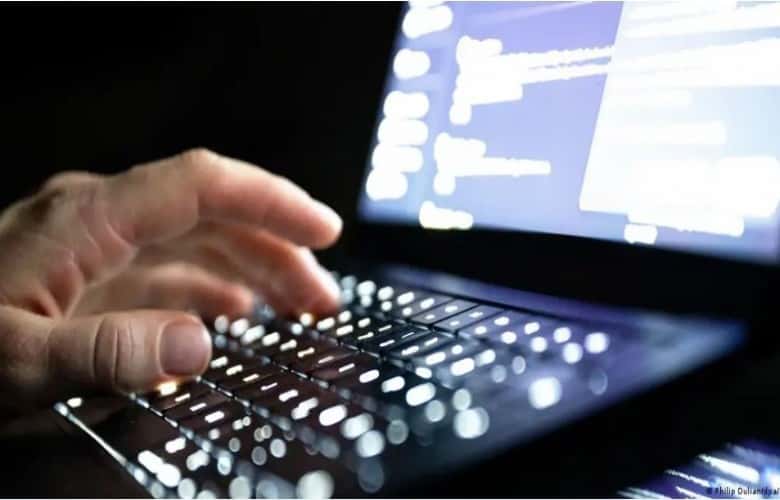
Because of cyberattacks, sanctions also affect the group of pro-secus hackers Noname057Q16). According to the EU, this group has claimed responsibility for cyber attacks on state institutions, critical infrastructure and private companies in Ukraine, the United States and EU member states.
In the EU, Noname057]16 has attacked websites and portals of various sectors with so-called DDoS attacks aimed at overloading systems and, as a result, getting services out of office. Particularly affected have been the energy, finance and transport sectors, water supply systems, as well as political parties and candidates during election processes.
In Germany, the Frankfurt Attorney General on Main and the Federal Criminal Police Office have recently conducted investigations into members and supporters of Noname055716.
Russia’s richest entrepreneur Sanctioned
Sanctions now affect Russia’s richest entrepreneur, Tatyana Kim. Its online trade platform Wildberries serves as a supply strategy for the Russian Army, facilitating the sale of military goods and dual-use ones, the EU Council said in its reasoning.
In this way Kim supports Russia’s military-industrial complex, which also benefits itself.
Kim’s wealth is estimated at around 7.4 billion euros. The Wildberrys trade platform, sometimes described as the Russian Amazon, has been made several times this year’s target of Ukrainian attacks.
United Arab Emirates and China Representatives
Some 50 Russian banks and financial institutions have also been sanctioned. So far, the EU has imposed sanctions on more than 100 of the 213 Russian banks, which are linked to the international financial system.
The EU has also put companies from the United Arab Emirates, China, Seyshells and Oman, linked to Russia’s so-called shadow fleet oil trade, made up of older oil tankers. Sanctions have also been imposed on an important oil port in St Petersburg.
Reaction to incident at Leipzig/Halle Airport
The sanctions package is also seen as responding to an alleged attack attempt with an explosive-equipped threat at Leipzig/Halle Airport. According to EU diplomats, Germany took an active part in preparing the package and proposed a two-dimensional number of actors for punitive measures.
Sanctions include freezing assets and preventing access to vulnerable persons and subjects of funds or other economic resources. A ban on EU entry is also imposed on individuals.
The EU aims to maintain pressure on Moscow even in terms of new peace negotiations. Brussels is currently working on the 22nd package of sanctions, which is expected to be adopted before the end of the year.
Source Layer: RTKLive