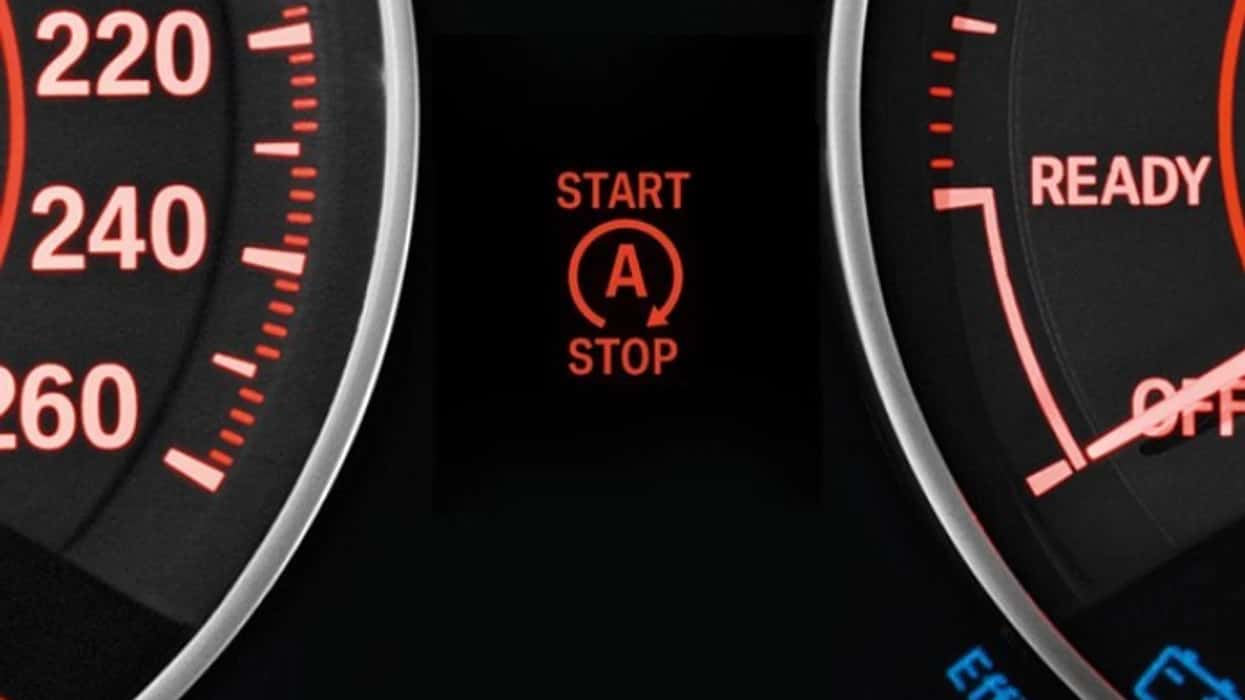
Post-stop function on cars is designed to save fuel and reduce carbon dioxide emissions (CO2). During the cold winter days, however, drivers may find that the engine does not automatically turn off when the car stops, for example, at the traffic lights.
One of the main reasons is to protect the battery. When temperatures are low and some electric devices are in use simultaneously, the car’s computer may estimate that turning off the engine would jeopardise its subsequent lighting.

Feneras, heat of the next glass, ventilation, and glass wipers can increase the demand for electricity. In these conditions, the start-stop system can be deactivated to ensure that the battery has enough energy to turn the engine back on.
Another reason is engine temperature. If he is still cold, the system can keep him at work until he reaches the right temperature for operating.
When the system is not active, a corresponding character or notice may appear on the toolbar that the start-stop function is not available.
Besides low temperatures and battery conditions, the system may not function under other circumstances. These include parking maneuvers, operating the parking assistant, and heading up the road, depending on the model of the car. Also, opening the engine cap or selecting the seat belt can prevent its activism.
Start-top cars use batteries designed to cope with frequent cycles of engine lighting and extinguishing. However, their life span depends on the kind of battery, use, and maintenance conditions.
So if the engine does not automatically shut down during the winter, it does not necessarily mean that the system is defective. Often, it is a common protective function. If the system remains inactive even when conditions are appropriate or a bug warning appears, checkup of the battery and the system is recommended by a professional.
Give me the shortest title. Add practical advice for drivers.
The signal where the truth speaks before the news!
Source Layer: Signal