
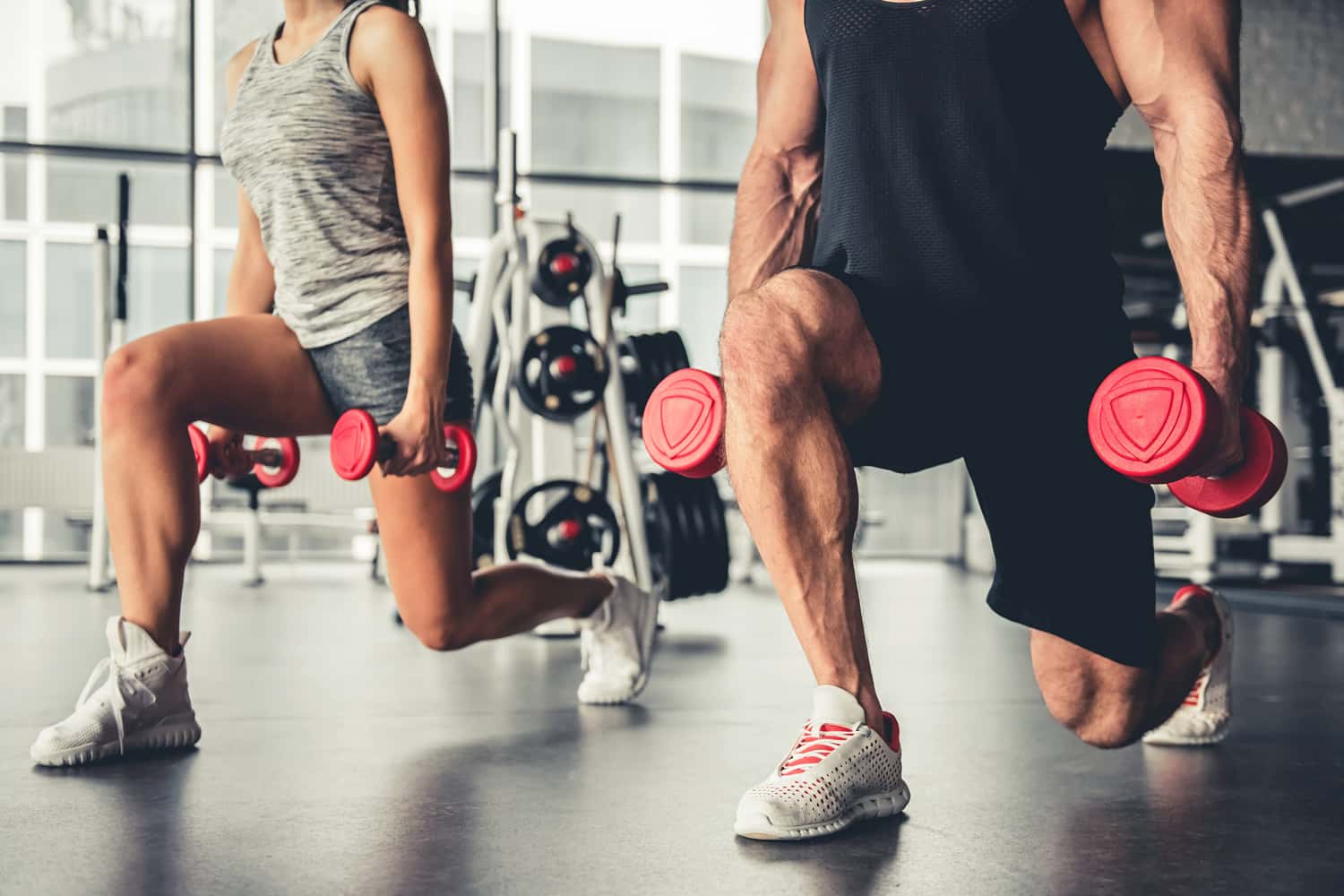
Stopping exercise for a few days or weeks does not mean that all progress achieved by then is lost. While the body begins to undergo certain changes during rest periods, the return to its former form is possible as long as the activity resumes cautiously and gradually.
Travels, work commitments, or health problems are some of the reasons people may be forced to temporarily interrupt their routine of exercise. Sometimes a several – day pause lasts a week, creating concerns that efforts and results have been lost.

However, according to an article published by The New York TimesThe physical condition does not disappear overnight. Moreover, rest days are an important part of training programs, giving muscles time to recover.
Experts stress that those who have taken about a week off can usually return to their previous level of activity quickly. However, different parts of the physical shape are not affected at the same rate.
What happens to your body when you stop exercise?
Early changes may be observed during the first week without aerobic exercise, such as running or cycling. At this time the volume of blood plasma begins to decrease, meaning that the heart pumps less blood with each beating.
As a result, when you resume your physical activity, your heartbeat can be faster and tireder, even during exercises that you previously faced without difficulty.
After 10 to 14 days without aerobic activity, the maximum amount of oxygen that the body can use during exercise also begins to decrease directly in its physical condition.
The rate of this decline varies from person to person. People who regularly exercise can observe a more pronounced decline after two weeks of rest, since they have a higher condition to lose. The genetics in this process also affects, in part determining how fast the body develops or loses its capacity.
After about a month of physical inactivity, some of the adjustments that the heart has developed through exercise begin to fade, especially the ability to pump more blood into the body. This can affect physical endurance.
Meanwhile, skills that require speed, power and coordination, such as basketball shooting, usually fall slower than cardiovascular conditioning.
After about a month, the loss of muscle mass and force can also begin. This process develops more slowly if a person continues his normal daily activities as he accelerates when he remains completely motionless because of an illness.
Older people are more vulnerable to the rapid loss of muscle mass than are young ones, and it may be even more difficult to restore it.
How can you maintain your physical form during rest?
If you are not facing any illness or injury but simply do not have time for routines, even shorter training can help you to preserve the conclusion.
To maintain the physical shape requires less activity than to build it from the beginning. Experts suggest that if you are able, you can do about half of the regular sessions of force or cardio exercise, preserving 60 to 80 percent of your normal intensity.
During this period, you can stay active through other activities, such as long walks, walks in nature, or riding a bicycle. However, it is important to remember that rest also serves to refresh the body.
How should you return to training after a pause?
If the suspension has lasted only about a week, you may most often proceed from the level you have left. But if the pause is caused by serious injury, surgery, or illness, it is important to consult your doctor before you resume your physical activity.
After a longer break, the return must take place gradually. Initially, it is recommended to increase the length of exercise and only then its intensity.
For example, if you have spent two weeks without exercise, you can reach between 50 and 70 percent of your previous training volume during the first week of return. In the second week, this percentage may increase to 70 to 90 percent, depending on the physical condition and body response.
Experts recommend that you avoid trying to compensate for all time wasted through intensive exercise, since excessive strain in a short time does not necessarily speed up the return of your physical form.
Do not compare yourself with what you were before or with what you want to become. Focus on your current situation, coach Gemma Ward has advised.
The signal where the truth speaks before the news!
Source Layer: Signal